Cold Loads and Hot Days: How Temperature Is Quietly Wrecking Your Precision Shots
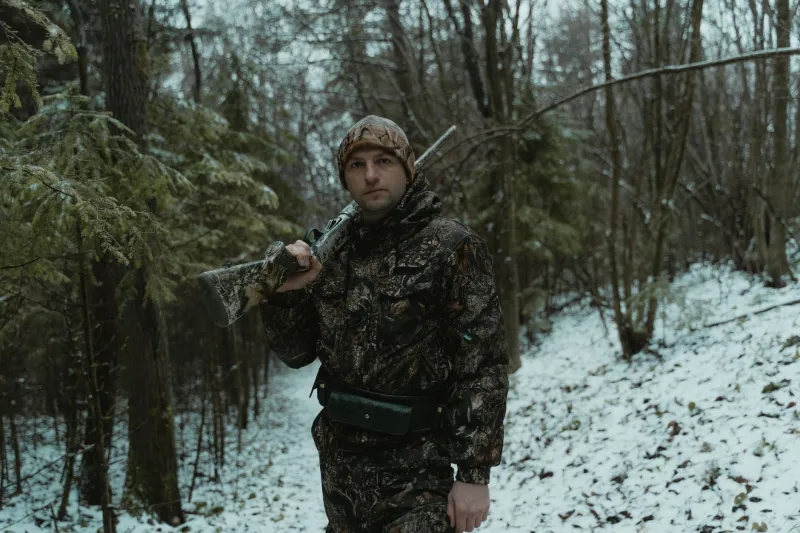
You zeroed your rifle in September. Opening morning in November, your first shot hits four inches low. Nothing changed — same gun, same ammo, same scope. So what happened?
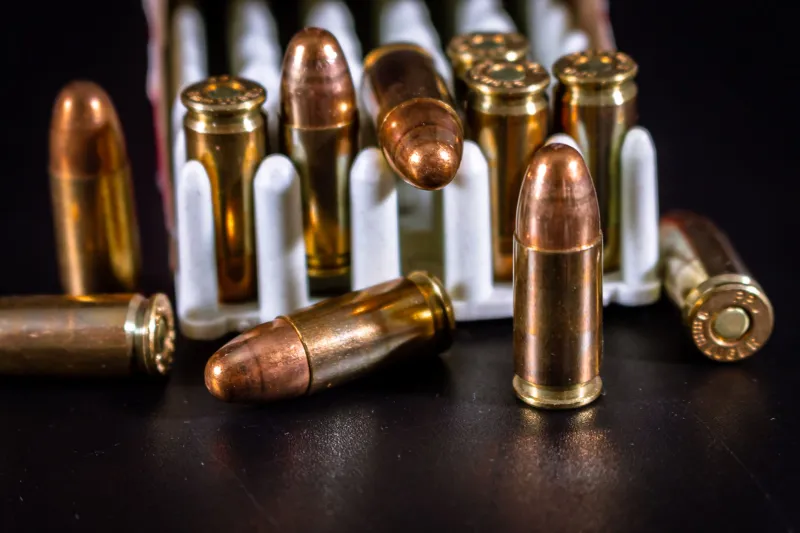
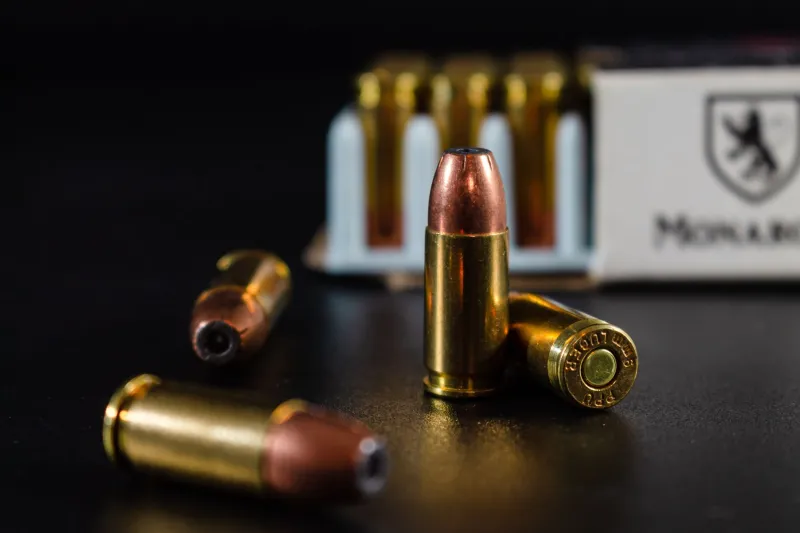
The answer is sitting in your cartridge, and it's been affected by every cold night, every hot truck cab, and every temperature swing between your last range trip and this morning. Temperature sensitivity in ammunition is one of the most underappreciated variables in the shooting world, and it costs hunters and precision shooters real results every single year.
Why Propellants Care About the Thermometer
Modern smokeless powder isn't a simple chemical. It's an engineered compound — typically nitrocellulose-based — designed to burn at a specific rate under specific conditions. And like most chemical reactions, burn rate is directly influenced by temperature.
When temperatures drop, powder molecules slow down. The burn rate decreases, peak pressure drops, and your bullet exits the muzzle with less velocity than it would on a warm afternoon. The reverse is equally true: on a blazing July range day, that same powder burns hotter and faster, pushing pressures higher and velocities up.
The practical result? Your point of impact moves. Not because your zero shifted, but because your bullet is arriving at a different speed — and therefore a different trajectory — than what your ballistic data assumed.
For reference, a commonly cited rule of thumb among long-range shooters is roughly 1.5 to 3 feet per second of velocity change per 10°F of temperature swing, though this varies significantly by powder type and load. Over a 500-yard shot, that kind of velocity delta can translate to several inches of vertical dispersion. At 1,000 yards, you're looking at potentially a foot or more of vertical error.
The Worst Offenders: Temperature-Sensitive Powders
Not all propellants react the same way to temperature changes. Older powder formulations — particularly some military surplus-derived powders and certain ball powders — tend to be more temperature sensitive. This is part of why military ammunition programs have invested heavily in temperature-stable propellants over the decades.
Many premium hunting loads today use powders marketed as temperature-insensitive or low-ES (extreme spread) formulations. Federal's Trophy Bonded and Hornady's ELD-X lines, for example, have been specifically engineered with this in mind. If you're hunting in Montana in January after sighting in during a mild October weekend, the powder in your hunting load matters a lot.
Budget range ammo? Often less attention is paid to temperature stability. That's fine for casual plinking, but it's something to think about if you're pushing distance or expecting consistent performance across seasons.
Real-World Numbers: What Testing Shows
Shooters who've run chronograph tests across temperature ranges consistently report velocity swings of 30 to 80 fps between summer and winter conditions with standard loads. Some extreme cases in published testing data have shown swings exceeding 100 fps between 0°F and 100°F — a realistic range for someone who stores ammo in a garage in the upper Midwest or shoots year-round in the Southwest.
To put that in perspective: a 60 fps velocity drop on a 180-grain .30-06 load at 2,700 fps translates to roughly 2 to 3 inches of additional drop at 400 yards compared to your warm-weather zero. That's the difference between a clean kill and a wounded animal.
For competitive long-range shooters, the numbers are even more demanding. A 50 fps extreme spread — even if it's temperature-driven and consistent within a session — can mean the difference between a clean score and a dropped point at 600 yards.
Storage Conditions Make It Worse
Here's where most shooters make the problem worse without realizing it: inconsistent storage. Ammo that's been sitting in a truck bed through a 45°F swing overnight, or stored in an uninsulated garage that hits 110°F in August, has experienced thermal stress before it ever hits your chamber.
Some shooters have noticed that ammo stored in extreme heat for extended periods — not just temporarily warm, but weeks of sustained heat — can show long-term performance degradation beyond simple velocity shifts. Propellant degradation, primer sensitivity changes, and even case annealing effects can compound over time.
The fix isn't complicated: store your ammo in a climate-controlled space. A consistent 60–70°F environment is ideal. If you're heading out for a cold-weather hunt, bring your hunting ammo inside the night before. Let it temperature-stabilize before you rely on it for a critical shot.
How to Compensate in the Field
Knowing the problem exists is half the battle. Here's what precision-minded shooters actually do about it:
Chronograph across seasons. If you shoot year-round, run your hunting load through a chronograph in summer and again in late fall. Note the velocity difference and adjust your ballistic solver accordingly.
Zero for hunting conditions. Don't zero in October heat and expect that zero to hold in November cold. Either re-zero in conditions that match your hunt, or account for the shift in your dope.
Use temperature-stable loads. For hunting applications where a follow-up shot may not be an option, invest in premium loads designed with low temperature sensitivity. It's worth the extra cost per box.
Keep ammo warm on cold hunts. Experienced hunters carry their cartridges in an inside pocket rather than leaving them in a cold magazine or external pouch. Body heat is enough to keep them close to ambient indoor temperature.
Log your data. Serious shooters maintain a data book that includes temperature at time of shooting alongside group sizes and velocity readings. Over time, you'll see patterns specific to your load and rifle combination.
Does This Matter for Casual Hunters?
Honestly, for a deer hunter taking shots inside 150 yards with a standard hunting rifle? The practical impact is modest. A couple inches of drift at close range with a generous vital zone is manageable, especially with quality hunting bullets that have some margin built in.
But for anyone stretching distance — whether that's a 400-yard elk shot in Colorado or a competitive precision rifle match — temperature-driven velocity variance becomes a real factor. The farther the shot, the more every fps of uncertainty compounds.
The bottom line is simple: your ammo isn't a static object. It responds to the environment around it, and the more you understand that relationship, the fewer surprises you'll encounter when it matters most.