Reloading vs. Factory Ammo in 2025: The Real Numbers Before You Buy That Press
Walk into any gun forum, Facebook group, or range conversation and you'll hear the same pitch: reload your own ammo and save a fortune. And there's real truth buried in that claim — but it comes with enough asterisks to fill a legal document. The honest answer to whether reloading saves you money in 2025 depends on who you are, what you shoot, and how much you actually run the numbers.
Let's do exactly that.
What It Actually Costs to Get Started
The first thing reloading advocates tend to gloss over is the startup cost. A quality single-stage press setup — press, dies, scale, case trimmer, priming tool, and the miscellaneous small tools you'll inevitably need — runs between $300 and $600 for a basic but functional kit. A progressive press setup capable of producing volume efficiently can easily hit $800 to $1,500 or more.
That upfront investment has to be recovered through savings before you break even. This is the number most reloaders either forget to calculate or quietly avoid.
Using a mid-range setup cost of $500 as a baseline, and assuming you shoot 9mm — one of the most economical factory rounds on the market — the breakeven math looks like this:
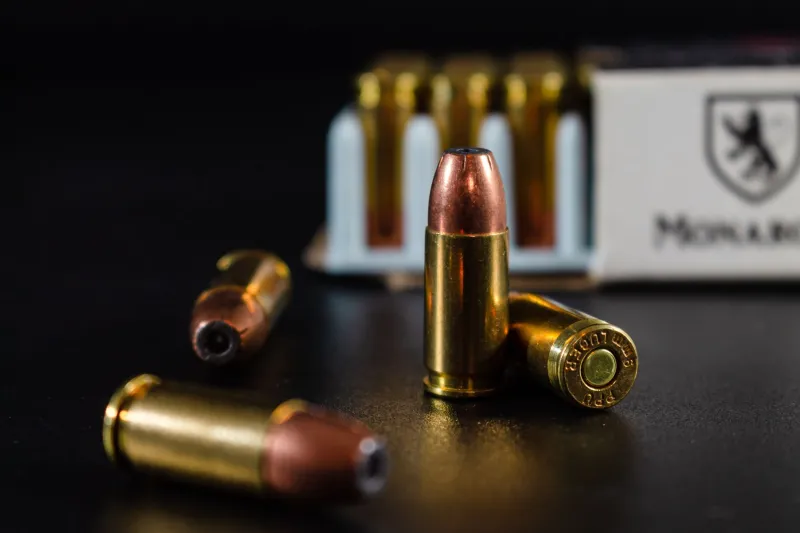
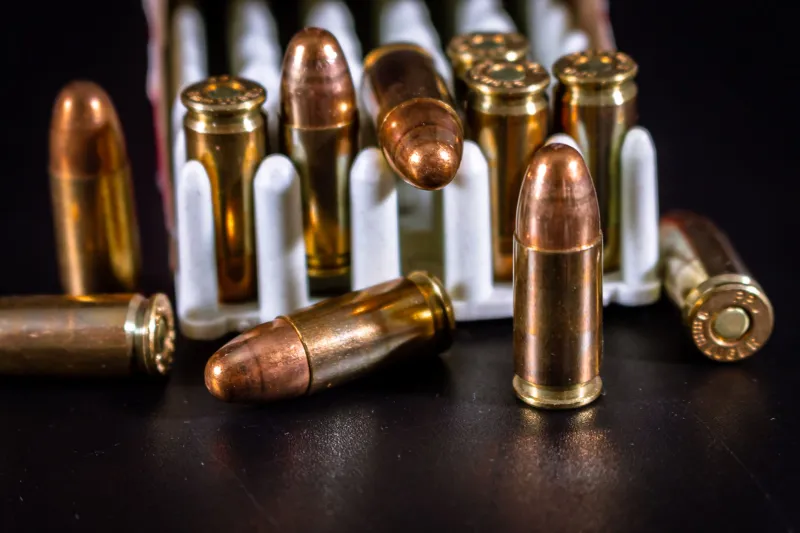
Factory 9mm in 2025 runs roughly $0.22 to $0.28 per round for decent brass-cased bulk ammo. Reloaded 9mm using purchased components (primers, powder, projectiles, and reused brass) typically lands around $0.12 to $0.16 per round once you account for component costs. That's a savings of roughly $0.08 to $0.14 per round.
At $0.10 average savings per round, you need to reload 5,000 rounds just to recover a $500 equipment investment. For a shooter burning through 500 rounds a month, that's 10 months before you see a single dollar of actual savings.
Where Reloading Makes the Most Financial Sense
The 9mm example is actually one of the weaker cases for reloading, precisely because factory 9mm is so aggressively priced. The economics shift significantly when you move into calibers where factory ammunition carries a premium.
Rifle Calibers Like .308 Win and 6.5 Creedmoor Factory .308 Winchester quality brass-cased ammo runs $1.00 to $1.40 per round. Reloaded .308 using quality components can be produced for $0.45 to $0.65 per round. That's a savings of $0.50 to $0.75 per round — a completely different conversation. At 500 rounds a month, a $500 equipment investment pays back in just two to three months.
Magnum Handgun and Revolver Calibers Rounds like .44 Magnum and .357 Magnum are expensive to shoot in volume. Factory .44 Mag can run $1.50 to $2.00 per round. Reloaded .44 Mag with cast bullets can come in around $0.35 to $0.50. If you're a revolver shooter who puts serious rounds downrange, reloading makes compelling financial sense.
Specialty and Hard-to-Find Calibers If you shoot anything with inconsistent availability — certain wildcat cartridges, older military calibers, or niche hunting rounds — reloading isn't just cheaper, it's often the only way to ensure a consistent supply.
The Hidden Costs Nobody Talks About
Here's where the real-world math diverges from the forum math.
Your Time Has Value A progressive press in good hands can produce 400 to 500 rounds per hour. A single-stage press, which most beginners start with, might produce 100 rounds per hour with careful attention to quality. If your time is worth even $15 an hour, those 100 rounds carry a hidden labor cost of $0.15 per round — which wipes out the savings on 9mm almost entirely.
For high-volume pistol shooters using a progressive press, the time cost is minimal. For someone carefully loading precision rifle rounds on a single-stage, the economics change dramatically.
Component Availability and Pricing Volatility Primers and powder — the two most regulated components — have shown significant price volatility since 2020. During shortage periods, primer prices tripled and powder became almost unobtainable at retail. Your cost-per-round calculation based on today's component prices may not hold up if supply disruptions return.
Brass Management Reloading requires collecting, inspecting, cleaning, trimming, and sorting brass. If you're buying brass rather than recovering your own, that cost needs to be factored in. Range pickup brass is free but requires sorting and inspection time. This is another time cost that often gets ignored.
Equipment Maintenance and Consumables Dies wear. Primer seating tools get replaced. Powder measures need cleaning. These are small costs individually, but they add up over time and belong in an honest cost analysis.
The 2025 Market Reality Check
Factory ammunition pricing has moderated considerably from the panic-buying peaks of 2020 and 2021. Common calibers are broadly available and competitively priced, which narrows the savings window for reloading relative to where it stood a few years ago. Reloading component prices, meanwhile, have remained elevated as manufacturers work through the supply chain disruptions of that era.
This doesn't make reloading a bad deal — it just means the math is tighter than it used to be for common pistol calibers.
Who Should Reload and Who Probably Shouldn't
Good candidates for reloading:
- High-volume rifle shooters burning through .308, 6.5 Creedmoor, or magnum calibers
- Precision shooters who want to tune loads for specific accuracy goals
- Hunters who need specific terminal performance combinations not available in factory loads
- Shooters who genuinely enjoy the hobby aspect of handloading
Probably better off buying factory:
- Casual shooters putting fewer than 200 rounds per month downrange
- 9mm and .223 shooters who don't shoot enough volume to hit breakeven quickly
- Shooters who value their time highly and don't find reloading inherently enjoyable
- New shooters who should focus on fundamentals before adding reloading complexity
The Bottom Line
Reloading can absolutely save money — but it's not the universal slam-dunk that enthusiasts sometimes make it sound. Run the actual numbers for your specific calibers and volume before you commit to the investment. For rifle shooters and those shooting premium calibers in high volume, the math works clearly in favor of reloading. For casual pistol shooters burning through cheap 9mm, the savings may never justify the startup cost or time investment. Know your numbers before you buy the press.