Spent Brass Isn't Trash: How Shooters Are Cashing In at the Range
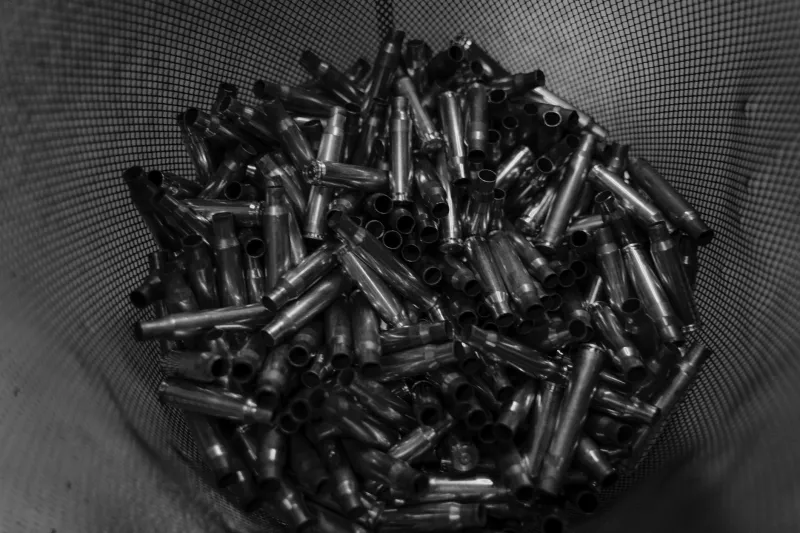
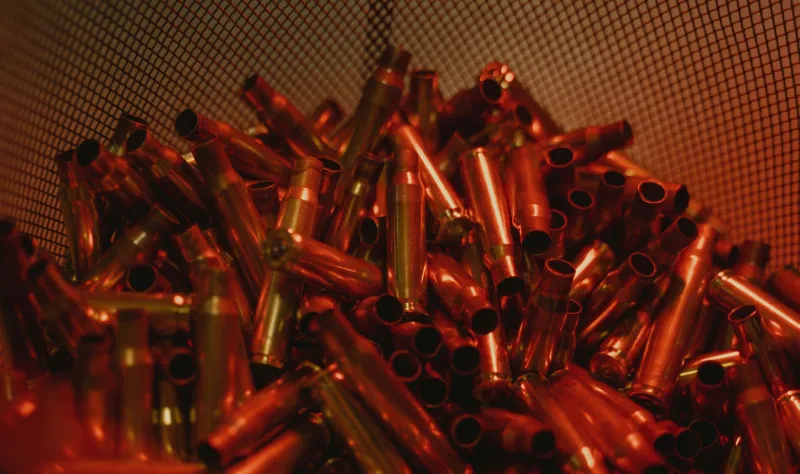
If you've ever walked away from a range session leaving a pile of glittering brass on the ground — or worse, watched the range staff sweep it all up — you've been giving away money. Brass casings have real scrap value, and a surprising number of shooters are quietly building a side hustle out of something most folks just kick to the curb. Whether you're a weekend plinker burning through .223 or a serious competition shooter running thousands of 9mm rounds a month, there's a legitimate return waiting for you in that pile of spent cases.
Let's break down exactly how to work the brass recycling game, from sorting to selling.
Why Brass Has Value in the First Place
Brass is a copper-zinc alloy, and both of those metals carry meaningful market value. Unlike steel or aluminum casings — which most ranges and recyclers don't want — brass is highly sought after by scrap yards, reloaders, and commercial brass processors. The price fluctuates with commodity markets, but as of 2024-2025, you're generally looking at anywhere from $1.50 to $2.50 per pound for mixed pistol brass at a scrap yard, and potentially $3.00 to $5.00+ per pound if you're selling sorted, cleaned brass directly to reloaders or online buyers.
That might not sound like a windfall, but consider this: a thousand spent 9mm casings weigh roughly 8 to 9 pounds. At even the low end of the reloader market, you're looking at $25 to $35 for a single range bag's worth of brass you'd otherwise leave behind.
Step One: Know What You're Picking Up
Not all spent casings are created equal. Before you start scooping up everything on the floor, it helps to know what the market actually wants.
High-value brass to prioritize:
- .308 / 7.62x51 — heavier, popular with reloaders, sells well
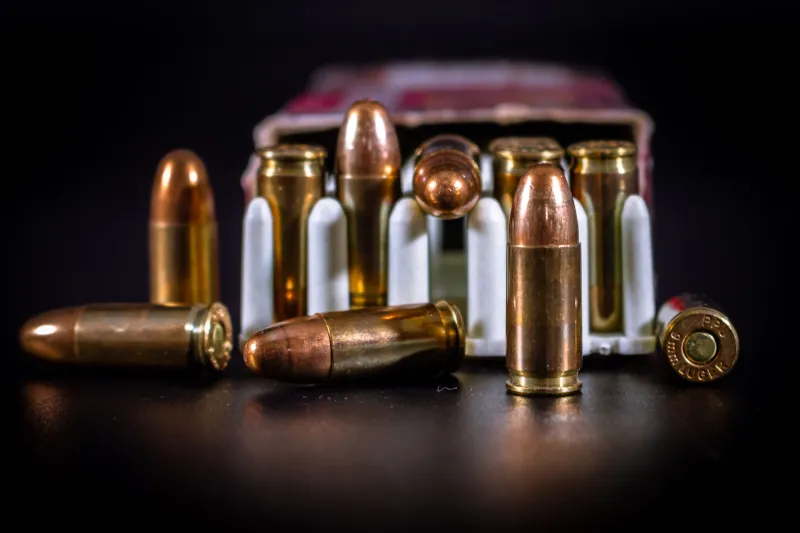
- 9mm Luger — highest volume, easy to move in bulk
- .45 ACP — heavier per case than 9mm, solid scrap value
- .223 / 5.56 — extremely popular for reloading, always in demand
- .30-06 and .270 — rifle brass commands premium prices from hunters
- .357 Magnum / .38 Special — popular among revolver shooters and reloaders
What to avoid or separate out:
- Steel-cased ammo (Tula, Wolf, etc.) — often magnetic, not wanted by brass buyers
- Aluminum casings (Federal Aluminum, Blazer Aluminum) — low value, often rejected
- Berdan-primed brass — harder to reload, less desirable to that market
A cheap magnet is your best friend here. Swipe it through your collection and pull out anything that sticks. What's left is almost certainly brass or aluminum — and you can tell aluminum by its lighter weight and dull silver color.
Step Two: Sort and Clean for Maximum Return
If you're selling to a scrap yard, sorting isn't strictly required — they'll take mixed brass and pay you by weight. But if you want to squeeze every dollar out of your casings, sorting by caliber and doing a basic cleaning pays off significantly.
Reloaders — your best potential buyers — want brass that's been sorted by headstamp or at least by caliber. They're also willing to pay a premium for once-fired cases, which have only been fired one time and still have plenty of life left in them.
Basic cleaning options:
- Dry tumbling with walnut or corncob media gets rid of range grime and gives brass that polished look buyers appreciate
- Wet tumbling with stainless steel pins produces even cleaner results and is worth it if you're moving volume
- If you don't reload yourself, even a quick rinse and air-dry can make your brass more attractive to buyers
A clean, sorted batch of once-fired brass will fetch noticeably more than a mixed, dirty pile — simple as that.
Step Three: Know Where to Sell
You've got a few solid options depending on how much time you want to invest and how much volume you're working with.
Local Scrap Yards The easiest, fastest option. No shipping, no waiting — just show up and get paid. Call ahead to confirm they accept brass and ask about current pricing. Expect $1.50–$2.50/lb for mixed brass. It's the lowest return, but it's zero hassle.
Gun Shows Set up a table or just walk around. Reloaders at gun shows actively hunt for once-fired brass and will often pay cash on the spot. Prices vary widely, but you can often negotiate $3–$4/lb or sell by the hundred for popular calibers.
Online Marketplaces
- eBay — Yes, you can sell brass on eBay. Search "once fired brass" to see current going rates. Popular calibers like 9mm and .223 move quickly.
- GunBroker — Another solid platform with a firearms-friendly audience that includes a lot of reloaders.
- Facebook Groups — Search for reloading or ammo groups in your state. Local sales mean no shipping headaches.
- Reddit (r/reloading) — Active community with a classifieds section where once-fired brass trades regularly.
Specialty Brass Buyers Companies like BrassMan, Top Brass, and Scharch Mfg buy spent brass in bulk and process it for resale. If you're generating serious volume — say, from a range or a shooting club — these are worth contacting directly.
Tips for Getting the Most Out of Your Brass
Build a relationship with your local range. Many indoor and outdoor ranges collect brass themselves, but some will let members keep their own brass or even sell you the house brass for cheap. It never hurts to ask.
Bring a brass catcher to the range. For semi-autos, a simple net brass catcher attaches to your rifle or pistol and keeps your cases from bouncing under benches or into other lanes. It's a small investment that saves a lot of crawling around.
Think about volume over time. A single range trip might yield $10–$15 in brass. But if you're shooting regularly and storing it up, a few months of collecting can add up to a meaningful check. Some shooters report $100–$200 a quarter just from brass they would have left behind.
Join or start a collection pool. If you shoot with a regular group, pool your brass together. Bulk lots sell better and attract more serious buyers.
The Bottom Line
Shooting is an expensive hobby — we all know it. Ammo prices have climbed, and every dollar counts for the budget-conscious shooter. Turning your spent brass into a small income stream won't replace buying ammo, but it absolutely takes the sting out of it. Once you build the habit of collecting, sorting, and selling, it just becomes part of the routine — and a pretty satisfying one at that.
So next time you're at the range, don't leave money on the floor. Scoop it up, sort it out, and put it back in your ammo budget where it belongs.