Old Ammo, Real Answers: How Long Does Ammunition Actually Last?
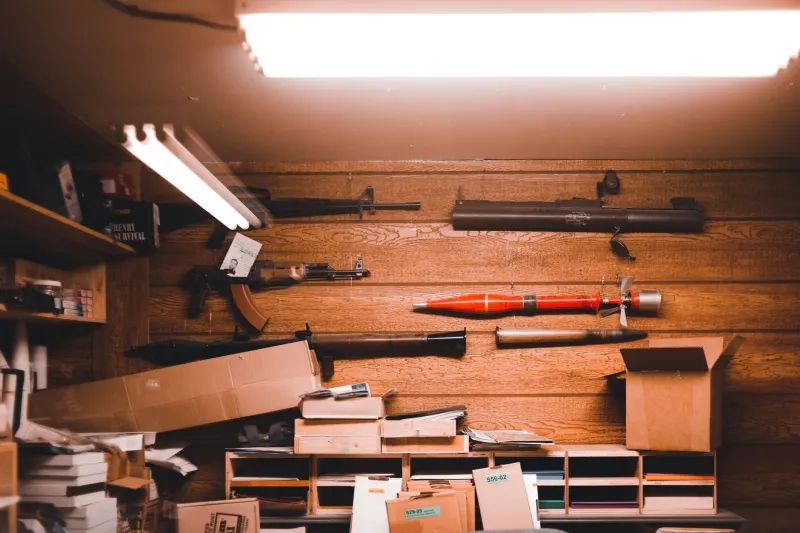
It's a scenario that plays out in garages, attics, and storage sheds across the country: you're digging through an old box of your dad's or grandfather's stuff and you find ammunition. Maybe it's a partial box of .30-06 from the 1970s. Maybe it's a sealed tin of surplus .308 with a headstamp you don't recognize. The question hits immediately — is this still any good?
The answer, more often than not, is yes. But the full picture is worth understanding.
First Things First: There's No Official Expiration Date
Unlike the milk in your fridge, ammunition doesn't come with a federally mandated expiration date. Manufacturers don't stamp a "use by" date on the box because, frankly, properly stored ammunition doesn't expire in any meaningful sense within a human lifetime.
This surprises a lot of people. We're conditioned to think that products degrade over time, and ammunition does — but the timeline is far longer than most people assume, and the conditions matter enormously more than the age.
The US military has successfully fired ammunition stored for 50-plus years under proper conditions. Civilian shooters regularly report excellent performance from commercial ammunition that's decades old. This isn't folklore — it's documented and repeatable.
What Actually Causes Ammunition to Degrade
Age alone isn't the enemy. The real threats to ammunition longevity are environmental, and they fall into a few specific categories:
Moisture is the primary villain. Water infiltration — whether from humidity, flooding, or condensation — can corrode primer compounds, degrade propellant, and compromise case integrity. Even moderate, persistent humidity over years can do measurable damage. This is why sealed, waterproof storage is so important for long-term stockpiles.
Temperature extremes matter too, though perhaps less than most people think. The real concern isn't cold — ammunition handles freezing temperatures quite well. Heat is the bigger issue. Sustained exposure to high temperatures (think a car trunk in August, or an attic in a Southern state) can accelerate propellant degradation, potentially reducing velocity and affecting consistency over time.
Chemical exposure is less commonly discussed but equally real. Solvents, oils, and cleaning chemicals that infiltrate the primer or propellant can cause misfires or hangfires. This is why you should never store ammunition in the same sealed container as gun cleaning supplies.
Physical damage — dents, dings, case deformations — can compromise chambering and, in severe cases, safety. Handle bulk ammunition carefully during storage and transfer.
The Science Behind Primer and Propellant Aging
Modern centerfire primers use lead styphnate or non-corrosive alternatives in a stable compound. Under dry, temperature-controlled conditions, these compounds remain chemically stable for an extraordinarily long time. Studies conducted on military surplus ammunition consistently show primer reliability well above 95% even after several decades in proper storage.
Modern smokeless powder (the propellant inside your cartridge) is similarly stable under ideal conditions. However, it does slowly release nitric acid as it ages — a process called decomposition. Manufacturers add stabilizing agents (diphenylamine is a common one) specifically to neutralize this acid and extend shelf life. In quality commercial ammunition stored correctly, this stabilization process buys decades of reliable performance.
Where things get more complicated is with older military surplus ammunition that may have used less stable propellant formulas or whose stabilizing agents have been exhausted. This is worth knowing if you're buying old surplus — it doesn't necessarily mean the ammunition is dangerous, but it's a reason to inspect carefully and test before relying on it heavily.
How to Evaluate Older Ammunition Before You Shoot It
If you've come across old ammunition and want to determine whether it's worth shooting, here's a practical inspection process:
Visual inspection first. Look for verdigris (green corrosion), heavy oxidation on the case, primer discoloration, or obvious physical damage. A little surface patina on brass is normal and harmless. Heavy green corrosion or pitting is a different story.
Check the primer. If the primer is visibly corroded, dented in a way that suggests it was struck but didn't fire, or shows obvious discoloration from moisture, that round should be pulled from your shooting pile.
Smell test. Seriously — old ammunition with significantly degraded propellant sometimes has a distinctly chemical or sour smell. Fresh ammunition doesn't have much odor. If something smells strongly off, take note.
Function test conservatively. If the ammunition passes visual inspection, consider firing a small batch first before relying on it for anything critical. Note velocity consistency (a chronograph is useful here), any misfires or hangfires, and whether groups are consistent with what you'd expect.
When in doubt, don't use it for defensive purposes. Old ammunition that shows any signs of degradation might still be fine for casual range use where a misfire is just an inconvenience — but it shouldn't be loaded in a defensive firearm where reliability is non-negotiable.
Maximizing the Shelf Life of Your Current Stockpile
If you're building or maintaining an ammunition stockpile — which is just smart preparedness for any shooter — here's how to keep it in top condition for the long haul:
Store in airtight containers. Military surplus ammo cans with intact rubber seals are excellent. Quality plastic ammo cans with gasket seals work well too. Factory boxes inside sealed bins are a reasonable middle ground.
Control humidity. Aim for relative humidity below 50%. Silica gel desiccant packets inside sealed containers are inexpensive and effective. Swap or recharge them periodically.
Choose a stable temperature environment. A climate-controlled interior space is ideal. Avoid garages, attics, and vehicles for long-term storage — the temperature swings are too significant over seasons.
Keep it off the floor. Flooding and moisture infiltration from concrete floors are real risks. Store ammunition on shelving, not directly on the ground.
Label everything. Date your purchases and note the caliber, manufacturer, and lot number when possible. This makes rotation and tracking much easier as your stockpile grows.
The Practical Takeaway
Ammo doesn't have an expiration date, but it does have enemies — and they're all environmental. Give your ammunition a clean, dry, stable home and it will reward you with reliable performance for decades. The old box of hunting rounds you found in the closet is probably just fine. The ammunition that sat in a leaky shed for 20 years probably isn't.
At Best Ammunition Store, we carry a wide selection of quality ammunition for stockpiling, hunting, and range use — along with the storage gear you need to protect your investment for the long haul. Because the best ammo is the ammo that fires when you need it to.