Shotguns, Rifles, and Handguns Don't Play by the Same Rules — Neither Should Your Ammo
Walk into any gun store and you'll see shooters staring at the ammo wall with that familiar glazed-over look. There's a lot to process. But here's the thing most people don't realize: the way you evaluate ammunition for a shotgun is fundamentally different from how you'd shop for rifle rounds or handgun loads. Treating them the same way leads to poor decisions — and wasted money.
Let's break it down by platform, because each one has its own language when it comes to performance.
Shotguns: It's All About the Pattern
With shotguns, velocity and energy are secondary concerns for most applications. The metric that actually tells you whether a load is working for you is the pattern — how your shot spreads at practical shooting distances.
A dense, even pattern is the goal for most bird hunters and clay shooters. Too tight and you're essentially shooting a very expensive slug with a lot of pellets that miss anyway. Too open and you're throwing lead at the sky and hoping something connects. The ideal spread depends heavily on your choke selection and the distance at which you're typically engaging targets.
Shot size matters more than you might think. For upland birds like pheasant and quail, #5 and #6 shot are workhorses. Waterfowl hunters have to go with non-toxic options — steel, bismuth, or tungsten-based loads — and the physics of those materials require different shot sizing compared to lead. Steel is less dense, so you'll typically need to go up a size or two to get comparable energy downrange.
For home defense, buckshot is the conversation. 00 buck is the most popular choice, but don't ignore #1 and #4 buck for tighter-patterning options at close range. Test your specific load through your specific barrel and choke before you count on it for anything serious.
The bottom line for shotgun buyers: Pattern your shells at the distances you actually shoot. A load that prints beautifully at 25 yards might open up dramatically at 40. Know your effective range before you're standing in a field.
Rifles: Consistency, Bullet Construction, and Twist Rate Compatibility
Rifle shooters tend to be the most analytically minded of the three groups, and for good reason — the performance variables in rifle ammunition are numerous, and the margin for error shrinks fast as distance increases.
For hunting applications, bullet construction is arguably the most important factor. A cup-and-core bullet like a standard soft point will perform well on deer-sized game at moderate velocities, but push it too fast or use it on larger, tougher animals and you may not get the penetration and controlled expansion you need. Bonded bullets and monolithic copper designs like the Barnes TSX hold together better at high velocities and are better suited for elk, bear, or any situation where you need deep, straight penetration.
Twist rate is a consideration most casual rifle shooters ignore. Your barrel's rifling twist rate determines which bullet weights stabilize properly. A 1:10 twist in a .223 will stabilize lighter bullets beautifully but may not adequately spin a heavy 77-grain projectile. If you're experimenting with different bullet weights in a given caliber, verify that your barrel can stabilize them before you buy a case.
For precision and long-range shooting, consistency across a lot is everything. Match-grade ammunition earns its premium price through tighter tolerances that reduce velocity deviation — and when you're shooting past 500 yards, even a 20 fps standard deviation can be the difference between a hit and a miss.
The bottom line for rifle buyers: Match your bullet construction to your intended purpose, verify twist rate compatibility when going heavy or light on bullet weight, and prioritize lot consistency if precision matters to you.
Handguns: Reliability First, Then Everything Else
For handgun shooters — especially those carrying for self-defense — reliability is the non-negotiable baseline. A round that delivers slightly better expansion or a couple extra foot-pounds of energy means absolutely nothing if it fails to feed, fire, or eject consistently in your specific pistol.
This is why testing your carry ammo through your actual carry gun is so important. Run at least 200 rounds of your chosen defensive load through your pistol without a malfunction before you trust it with your life. Some pistols are finicky about hollow point geometry. Others will eat anything. You need to know which camp yours falls into.
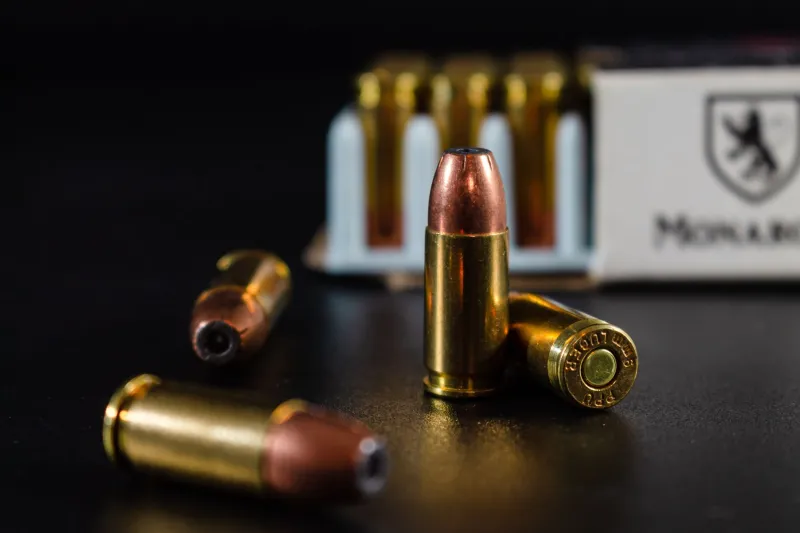
For range training, there's no reason to burn through expensive defensive rounds. Standard FMJ loads in the same weight as your carry ammo will give you the trigger time you need while keeping costs manageable. Just make sure the weight is close — different bullet weights produce different recoil impulses, and training with one and carrying another means you're not getting a fully representative practice experience.
Velocity and expansion data for defensive rounds should be evaluated using FBI protocol testing results when available, not just manufacturer spec sheets. That testing protocol — 12 to 18 inches of penetration in ballistic gelatin through various barriers — gives you a much more realistic picture of real-world terminal performance.
The bottom line for handgun buyers: Confirm reliability in your specific gun first. Match your practice ammo weight to your carry ammo. Use FBI protocol data to evaluate defensive loads, not marketing copy.
One Shooter, Three Different Mindsets
If you run all three platforms — and plenty of American shooters do — resist the urge to apply the same evaluation criteria across the board. Your shotgun's performance lives and dies by its pattern. Your rifle demands consistency and proper bullet construction for the job. Your handgun has to work every single time, no exceptions.
At Best Ammunition Store, we carry loads across all three categories, so you can find the right round for the right gun without compromising on what actually matters for each platform.